



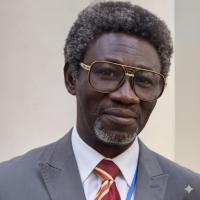
Verla Wirnkor
Associate Professor
He
Bio
1.Ibe, M. V., Wirnkor, V. A., Achukee, C. K., & Ekeke, P. O. (2025). Systematic Review of Green Chemistry in Nigeria: Current Status, Challenges and Opportunities. World Scientific News, 199, 99-121.
2.Ibe, M. V., Ngozi, V. E., Cynthia, O. C., & Wirnkor, V. A. (2025). Synthesis and Characterization of Starch-Based Bioplastics Derived from Cassava (Manihot esculenta) Peels and Oil Palm Empty Fruit Bunch (Elaeis guineensis). Green Chemistry Innovations, 1(2), 27-36.
3.Wirnkor, V. A., Ibe, M. V., Ngozi, V. E., Bola, O. E., Ejiako, J. E., Asuquo, M. S., & Mbuka-Nwosu, I. E. (2025). Agro-Waste Valorization into Bio-Plastics: A Systematic Review of Types, Synthesis, and Characteristics. Green Chemistry Innovations, 1(1), 13-26.
4.Ngozi, V. E., Wirnkor, V. A., Victoria, E. C., Edewede, D. B., Ngozi, A. B., & Ndubuisi, I. G. (2024). Assessing trends in Speciation of First-Row Transition Metals in Children’s Playgrounds of Owerri, Nigeria. International Journal of Green Chemistry, 11(01).
5.Okonkwo, E. A., Amah, N., Wirnkor, V. A., Oko, E. H., Ekwe, N. P., & Ugwu, J. U. (2024). Benign Solvents: An Overview. ACS African Regional Conference on Green and Sustainable Chemistry Book of Proceedings, 131-135.
6.Ekeoma, M. O., Wirnkor, V. A., Enyoh, I. C. E., Ngozi, V. E., & Ezichi, M. N. I. (2023). Production and characterization of Biodiesel from Coconut (Cocos nucifera). Chemistry Research Journal, 8(1), 45-54.
7.Wirnkor, V. A., & Ngozi, V. E. (2020). Liquid biofuels in Nigeria and tools for environmental sustainability. 5th Green and Sustainable Chemistry Conference (Elsevier), Focus on Africa.
8.Wirnkor, V. A., Enyoh, C. E., Ibe, F. C., & Verla, E. N. (2020). Status of liquid biofuels in Nigeria and tools for environmental sustainability assessment. International Journal of Energy and Water Resources (Springer), 1-11.
9.Wirnkor, V. A., Ngozi, V. E., Enyoh, C. E., & Emeka, A. C. (2019). Going Green For A Better Nigeria: A Chemistry Approach. In Concrescence: Essays in Honour of Prof. Rev. Fr. Izuchukwu Marcel Onyeocha, IMSU Press Ltd, 650-671.
10.Wirnkor, V. A., Horsfall, M. Jnr, Verla, E. N., Spiff, A. I., & Ekpete, O. A. (2012). Aspect of Surface Chemistry of Activated Carbon Prepared from Fluted Pumpkin seed shell (Telfairia occidentalis Hook. F.) by Chemical Activation. 35th Annual International Conference of the Chemical Society of Nigeria, 2, 247-251.
Additional Green Chemistry Credentials
Founder/Coordinator: Green Research in Analytical Chemistry, Environment and Climate Change (GRACE&CC).
Green Ambassador: Awarded for Green Talents Awards 2026, Edupro, and the University of Leeds, UK.
Certification: Holds a Professional Certificate in Green Chemistry (DOZN 2.0) from Merck/Chemistry World (2020).
About
Languages
- English
- French (France)
Keywords Tags/Expertise
- Microplastics
- Analytical Chemistry
- Green Chemistry
- Climate
Ongoing Projects
Leveraging his expertise in Analytical Chemistry and Environmental Toxicology, Dr. Verla Andrew Wirnkor has spent years pioneering Research and Innovation through his founding of Green Researchers in Analytical Chemistry, Environment, and Climate Change (GRACE&CC). His work focuses on training and mentoring students in Sustainability initiatives, such as waste valorization and the synthesis of biodegradable food packaging to combat Microplastics pollution.
Currently, his projects integrate Green Chemistry with advanced Health Risk Assessment to transform environmental management. By utilizing black soldier flies for bio-remediation and converting waste into organic fertilizer, he addresses Heavy Metal Pollution and promotes soil health. As co-founder of the Centre for Imo Bio-Ark, his research explores Speciation and the chemical dynamics of seedlings, alongside biogas generation and the conversion of palm fruit bunch waste into nutrient-rich manure.
Additionally, as co-founder of the Green Thumbs Integrated Farmers Cooperative Society, Dr. Verla applies his knowledge of Water Quality Management and sustainable agriculture to train farmers in eco-friendly methods. These efforts include the conversion of farm by-products into value-added resources, such as specialized biochar applications and the precise extraction of oils from seeds, ensuring a safer and more sustainable ecosystem.
This user is not currently a member of any groups. A list of current GCTLC groups is available here.
My Job Postings
This section displays this user's live job postings. Once they publish a job, it will appear here for others to view.
My Events
This section displays this user's live event postings. Once they publish an event, it will appear here for others to view.
Published Articles
I review journal papers for many journals, and organize World Environment Day every 5th June. attend conferences and do volunteer work for instance, I am a volunteer ambassador with Edupro Green Talents Awards 2026
Recent Activity
- Verla Andrew Wirnkor was just tagged in a comment: Hi @Angelica Tabamo, thank you so much for starting this thread. I think you’ve raised a really important and under-discussed question in microplastics research. Thanks @Audrey Nihart for sharing the New Mexico perspective. While long-term storage is a responsible default that enables future testing, space constraints are a clear hurdle. Regarding incineration, have you or the Camden lab encountered issues with toxic gas emissions (like HCl or dioxins) based on polymer type? Since microplastics are chemically diverse, ranging from PVC to PET and a "one-size-fits-all" disposal method seems risky. I’m curious if you’ve noticed varying outcomes depending on the source material. I’d also love to bring @Deborah, @Oluwatosin Shokunbi, and @Verla Andrew Wirnkor into this. If any of you have developed protocols for disposal, repurposing, or storage, your insights would be invaluable to the community....
- Verla Andrew Wirnkor registered.