Call for Case Studies: Integrating Sustainability and Green Chemistry in the Classroom

Image
case studies cover image with yellow text on a dark green-blue background

Guest Editors and Reviewers:


We invite educators and curriculum developers to contribute case studies that bring real-world examples of green chemistry, sustainability, and systems thinking into the classroom. These case studies will align with the curriculum requirements supported by professional organizations such as the American Chemical Society and the Royal Society of Chemistry, helping prepare students for future careers in Chemistry and sustainability. These case studies will complement and expand on two key resources:


Soy Chemistry Curriculum: Innovating for Sustainability – A teaching resource featuring background information, case studies, and hands-on experiments that showcase soy as a renewable feedstock.


Case Study Template Guide – Easy-to-use template designed to help you develop engaging, classroom-ready case studies. This template was co-developed by ACS Green Chemistry Institute and Beyond Benign.


Submitting a case study is a great way to support educators by expanding access to high-quality teaching materials, promote active learning by helping students connect classroom content to real-world challenges, and gain recognition - accepted case studies will be published with a DOI and full author credit.


Whether you’re adapting existing materials or creating something new, we encourage you to use the Soy Chemistry Curriculum and Case Study Templates to guide your submission. Submit your case study and help shape the future of green chemistry and sustainability education.


All case studies must be submitted by September 30, 2026 for full consideration.


To submit a resource as part of this collection, use the GCTLC's online submission form

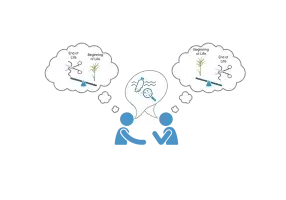
A case study on phthalate esters

Summary

This in-class activity can be used in introductory green chemistry undergraduate courses to educate students on ethical decision-making while ensuring environmental justice and demonstrating how green chemistry principles can be applied to address environmental issues. This inclusive activity is suitable for even non-science major students who are interested in learning about green chemistry.

Type
Case studies

An Easy-to-Use Template for Creating Green Chemistry Case Studies for Teaching

Summary

This easy-to-use template package is designed to help you create case studies using examples of real-world chemistry to teach students about green chemistry and sustainability. Most of the documents in this package come in pairs. One document in each pair is a workbook file while the other is a user guide. The workbook files include questions designed to help organize your thoughts and ideas as ...

Type
Case studies, Other

Evaluating Soy Lecithin as a Sustainable Emulsifier in Skincare Formulations

Summary

Soy lecithin is a common ingredient in skincare products, including moisturizers, serums, and sunscreens. Typically derived from one of the world's most widely cultivated crops, it is often described as a natural, plant-derived material and is increasingly positioned within sustainability-focused formulation strategies. Its relevance, however, extends beyond marketing language. Soy lecithin is a ...

Type
Case studies

Greener Plastics: A Case Study to Address to Sustainability Issues around Single-Use Plastics

Summary

This is a multi-week case study from a large-enrollment organic chemistry laboratory course at Michigan State University. In small groups, students are expected to engage in various scientific and engineering practices to (1) construct explanations of the chemistry of polymerization, (2) identify problems with respect to different shareholders, and (3) evaluate different solutions at different ...

Type
Assessments, Case studies

Polymers from Soybeans: The transesterification of triglycerides

Summary

This case study explores the transesterification of triglycerides from soybean oil into a variety of vinyl monomers - soy-based acrylic monomers (SBAs). This transesterification uses commercially available N-(hydroxyethyl)acrylamide as a reactant, was carried out in one synthetic step, ran at room temperature (minimizing energy use), and used only a catalytic amount of sodium hydroxide. These ...

Type
Case studies

Progesterone Synthesis

Summary

This case study discusses the history of birth control development, particularly progesterone synthesis. Students will learn about how progesterone was synthesized from stigmasterol, a component of soybean oil by Percy Lavon Julian and Carl Djerassi. They will also see how progesterone was made from yams via the Marker degradation. In the assignment, students will work in groups to compare and ...

Type
Case studies

Reducing the production of waste in the synthesis of LAGEVRIO™ (molnupiravir), an antiviral treatment for COVID-19

Summary

This case study is based on the 2022 Greener Synthetic Pathways - Green Chemistry Challenge Award (GCCA) which was won by Merck for the synthesis of the COVID-19 antiviral molnupiravir (LAGEVRIO TM). This GCCA is a good example of designing and comparing the efficacy of multi-step syntheses. The revised, biocatalytic synthesis of molnupiravir dramatically reduces the production of waste compared ...

Type
Case studies

The Chemetry eShuttleTM Process: Manufacturing ethylene dichloride with less energy and without a toxic intermediate

Summary

This case study based on the Chemetry eShuttle process that won a Presidential Green Chemistry Challenge Award (Small Business) in 2018. This process results in the production of ethylene dichloride (EDC) with reduced energy use and less toxicity by eliminating production of elemental chlorine. This is a nice application of electrochemistry, which is covered at the end of the second semester of ...

Type
Case studies